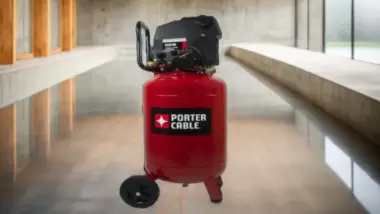
What is a Single Stage Air Compressor?
A single stage air compressor is a type of machine that compresses air in one stroke. It consists of a single piston that moves up and down within a cylinder, creating pressure to compress the air. This compressed air can then be used for various applications, from powering tools to inflating tires.
One of the key advantages of a single stage air compressor is its simplicity. With fewer moving parts compared to multi-stage compressors, there is less chance of mechanical failure or breakdowns. This makes it easier to maintain and repair, saving both time and money.
However, it’s worth noting that single stage compressors may not be suitable for all situations. They tend to have lower maximum pressure capabilities compared to multi-stage compressors, meaning they may not be able to handle large-scale industrial applications or heavy-duty tasks. Additionally, because the compression process happens in one stroke, heat buildup can become an issue over extended periods of use.
While single stage air compressors offer simplicity and cost-effectiveness for many applications, it’s important to consider your specific needs before making a decision. Understanding the limitations and advantages will help you choose the right compressor for optimal performance.
Working Principle of Single Stage Air Compressors

Single stage air compressors are versatile machines that play a crucial role in various industries. Their working principle is based on the straightforward concept of compressing air to increase its pressure for various applications. These compressors have a single piston that moves up and down inside a cylinder, drawing and compressing air with each stroke.
As the piston moves downward, it creates suction, which draws air from the environment into the cylinder. This initial volume of compressed air is then further compressed when the piston moves back upwards. The pressurized air is then stored in a tank or used directly for powering tools and equipment.
One key aspect of single stage air compressors that sets them apart from multi-stage variants is their ability to provide moderate to high pressure levels efficiently. However, this efficient compression comes at a trade-off – these compressors can generate higher temperatures during operation due to their limited compression stages. This important consideration highlights the need for effective cooling systems to prevent overheating while ensuring optimal performance and longevity of these machines.
Advantages of Using Single Stage Air Compressors
Single stage air compressors offer several advantages that make them a preferred choice for many applications.
Lightweight Design – Firstly, these compressors are compact and lightweight, making them easy to transport and operate in various settings. Whether you need to move the compressor from one job site to another or simply want a portable option for your garage or workshop, single stage air compressors provide the convenience you need.
Price – Another advantage of single stage air compressors is their affordability. These compressors are generally less expensive compared to their two-stage counterparts, making them suitable for individuals or businesses on a budget. Additionally, they require minimal maintenance and have fewer parts than dual-stage compressors, which means lower servicing costs in the long run.
Solid Performance – Single stage air compressors also deliver high-performance capabilities that can meet the demands of most small to medium-sized jobs. They are effective in tasks such as inflating tires, powering pneumatic tools like nail guns or paint sprayers, and even operating small-scale industrial equipment. With their powerful output and quick recovery time between cycles, single stage air compressors ensure efficient operation while saving valuable time on your projects.
Single stage air compressors offer numerous advantages including portability, affordability, low maintenance needs, and high-performance capabilities. Whether you’re a DIY enthusiast or a professional tradesperson looking for a reliable compressor solution – consider the benefits provided by these compact machines before investing in your next piece of equipment.
Applications of Single Stage Air Compressors
Single stage air compressors have a wide range of applications across various industries. They play a crucial role in various industries including automotive tire inflation, construction site operations with pneumatic tools, and food processing applications. Their ability to quickly generate high-pressure air makes them indispensable for improving efficiency across multiple sectors while maintaining safety standards. Here’s a few of the places you’ll find single stage air compressors.
Car Maintenance – One key application is in the automotive industry, where these compressors are used for tire inflation. They provide enough pressure to quickly and efficiently inflate tires, saving time for both consumers and mechanics.
Powering Pneumatic Tools – Another important application of single stage air compressors is in the construction industry. These compressors are used to power pneumatic tools such as nail guns, impact wrenches, and paint sprayers. The ability to generate high-pressure air quickly allows contractors to work more efficiently and effectively on construction sites.
Food and Beverage Service – Single stage air compressors find use in the food and beverage industry. In this sector, these compressors are utilized for a variety of purposes such as packaging materials, powering pneumatic conveyance systems, or providing compressed air for cleaning equipment. The oil-free nature of single stage units ensures that there is no risk of food contamination during production processes.
Limitations of Single Stage Air Compressors
Despite their widespread use and popularity, single stage air compressors do come with certain limitations.
Limited Pressure Capacity – One major drawback is their limited pressure capacity. Single stage compressors are typically unable to produce pressures above 125 PSI (pounds per square inch), which can be a constraint for applications that require higher pressure levels. This limitation makes them less suitable for tasks such as sandblasting or operating heavy pneumatic tools that demand elevated air pressures.
High Running Temperatures – Another notable limitation of single stage air compressors is their tendency to generate more heat during operation compared to multi-stage compressors. The compression process in a single stage compressor happens in a single step, resulting in higher temperatures within the unit. This increased heat production not only puts additional strain on the components but also increases the risk of overheating and potential damage to the compressor itself. This limitation needs careful consideration when using single stage compressors for continuous or prolonged operations.
Lower Efficiency – Single stage air compressors tend to have lower efficiency levels compared to multi-stage counterparts. Due to their design and operation, these compressors consume more energy per unit of compressed air produced, leading to higher operational costs over time. While this may not be a significant concern for occasional or light use, businesses and industries that rely heavily on compressed air would benefit from investing in more efficient options like two-stage or variable speed drive compressors.
Maintenance and Troubleshooting Tips for Single Stage Air Compressors
When it comes to maintaining and troubleshooting single stage air compressors, there are a few key tips that can help ensure their optimal performance. Firstly, regular cleaning of the intake vents is essential to prevent dust and debris from clogging the compressor’s components. Additionally, checking and replacing the air filter regularly is crucial for proper airflow and preventing damage to the compressor motor.
Another important aspect of maintenance is monitoring the oil levels and changing it when necessary. Proper lubrication helps reduce friction within the compressor’s moving parts, extending its lifespan. Moreover, inspecting all connections for leaks is important as even minor leaks can cause a decline in efficiency.
In terms of troubleshooting common issues with single stage air compressors, one frequent problem encountered by users is low compression pressure. This could be caused by a worn-out piston ring or gasket that needs replacement. Another issue may arise from excessive vibration during operation, which could be due to loose bolts or an unbalanced flywheel. Identifying these problems early on allows for timely repairs and ensures smooth functioning of your single stage air compressor for years to come.
Is a Single Stage Air Compressor Right for You?
Whether or not a single stage air compressor is right for you depends on your specific needs and preferences. If you prioritize affordability and simplicity, then a single stage compressor may be the perfect choice for you. With only one piston, these compressors are typically less expensive than their two-stage counterparts, making them more accessible to those on a tight budget.
Additionally, if you primarily use your compressor for light-duty tasks such as inflating tires or operating small tools, a single stage compressor should provide sufficient power. However, it’s important to consider its limitations when it comes to heavy-duty applications. Single stage compressors are generally not designed to handle extended use or high-volume demands, so if your work involves continuous or demanding tasks, a two-stage air compressor could be worth the investment.
Ultimately, taking into account factors such as budget constraints and intended usage will help determine the most suitable type of air compressor for you. By carefully assessing your specific needs and weighing the pros and cons of both options, you can make an informed decision that ensures optimal performance and long-term satisfaction with your air compressor investment.