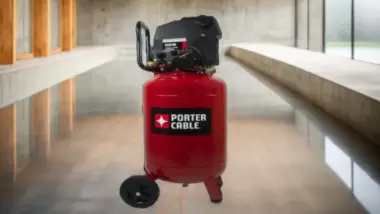
What is a Reciprocating Air Compressor?
A reciprocating air compressor is a type of compressor that works by using the back-and-forth motion of a piston within a cylinder to compress the air. This type of compressor is widely used in various industries, such as automotive, construction, and manufacturing. One key advantage of reciprocating compressors is their ability to deliver high-pressure output, making them ideal for applications that require large volumes of compressed air.
In addition to their high-pressure capabilities, reciprocating air compressors are also known for their durability and long lifespan. This is due to the simplicity and robustness of their design, which allows them to handle heavy-duty usage without breaking down easily. These compressors can be powered by electric motors or internal combustion engines, giving you flexibility in terms of a power source.
Reciprocating air compressors are highly versatile machines that can be used for a wide range of applications. For example, they are commonly used in pneumatic tools such as nail guns and impact wrenches. They can also be utilized in processes like sandblasting or painting where compressed air is crucial for achieving optimal results. With their ability to deliver high-pressure output and withstand demanding work environments, reciprocating air compressors play a vital role in many industries around the world.
How Does a Reciprocating Air Compressor Work?
Reciprocating air compressors are a critical component in many industrial and residential settings. They work by utilizing a piston and cylinder mechanism to compress air. When the compressor is turned on, an electric motor or internal combustion engine powers the piston, causing it to move back and forth within the cylinder. As it moves, the piston creates a low-pressure zone behind itself, which draws in air through an intake valve. On its forward stroke, the piston compresses this air, increasing its pressure while decreasing its volume. This high-pressure air is then forced out of the cylinder through an exhaust valve.
One fascinating aspect of reciprocating air compressors is their ability to adjust output based on demand. Unlike some other compressor types that run at a constant speed regardless of usage needs, reciprocating compressors can be designed with unloaders or multi-step valves that allow for varying compression levels depending on requirements. This not only provides greater control over energy consumption but also extends the lifespan of the compressor components.
While reciprocating air compressors have been widely used for many years due to their reliability and versatility, advancements in technology continue to enhance their efficiency and performance. For instance, manufacturers have started incorporating variable frequency drives (VFDs) into reciprocating compressors. This creates a way to get precise control over motor speed and power consumption based on real-time demands. This innovation not only maximizes energy efficiency but also reduces wear and tear on system
Types of Reciprocating Air Compressors
Reciprocating air compressors are versatile machines that come in various types, each designed for specific applications.
Single-stage Reciprocating Air Compressor
This is one of the most commonly used types. As its name implies, this compressor uses a single piston to compress the air in a single stroke. It is ideal for small-scale operations and projects where high pressure or large volumes of compressed air are not required.
Two-stage Reciprocating Air Compressor
Unlike the single-stage compressor, this type has two pistons: one low-pressure piston and one high-pressure piston. This design enables it to achieve higher pressures compared to its single-stage counterpart while minimizing heat buildup during compression. Two-stage compressors are particularly beneficial in heavy-duty applications like manufacturing plants and automotive repair shops, where consistent and powerful compressed air supply is necessary.
Oil-free Reciprocating Air Compressors
Oil-free reciprocating air compressors provide clean and contaminant-free compressed air for sensitive applications. They’re particularly useful for pharmaceuticals or food processing industries. These compressors use special materials and lubrication systems to ensure that no oil contacts the compressed air stream. Doing so eliminates any risk of contamination. They offer a high level of reliability while meeting stringent quality control standards.
Understanding different types of reciprocating air compressors can help you choose the most suitable option for your specific needs. Whether you require a compact machine for small-scale projects or a heavy-duty solution for industrial work.
Advantages and Disadvantages of Reciprocating Air Compressors
Reciprocating air compressors have long been a staple in various industrial applications, and it’s not hard to see why. Their simplicity, cost-effectiveness, and versatility are some of the main advantages that make them a popular choice for many businesses. These compressors work by using a piston-cylinder arrangement to compress air, making them highly efficient and capable of generating high pressure levels. Additionally, reciprocating air compressors can be used in a wide range of industries, from manufacturing plants to construction sites.
However, like any other technology, reciprocating air compressors also come with their fair share of disadvantages.
They’re Noisy

One major drawback is their noise level. Due to the nature of their operation – with moving parts such as pistons and valves – these compressors tend to generate significant amounts of noise during operation. This can be an issue for businesses operating in residential areas or those prioritizing employee comfort.
They’re High Maintenance
Another disadvantage is that reciprocating air compressors require more regular maintenance compared to other types of air compressors. The constant movement of pistons and valves can lead to wear and tear over time, necessitating frequent inspections and potential repairs. Additionally, these machines often require oil lubrication for smooth operation, requiring regular monitoring and oil changes.
With drawbacks such as high noise levels and increased maintenance requirements, it’s important for businesses to consider these types of compressors carefully before making an investment in these machines.
Common Applications of Reciprocating Air Compressors
Reciprocating air compressors are versatile and widely used in various industries for their ability to convert power into potential energy stored in compressed air.
Auto Repair Shops
One of the most common applications of reciprocating air compressors is in automotive repair shops. These compressors are essential for powering pneumatic tools such as impact wrenches, paint spray guns, and tire inflators. The constant and reliable supply of compressed air allows mechanics to efficiently carry out tasks that would otherwise be time-consuming or impossible with manual labor alone.
Manufacturing Facilities

Compressed air plays a crucial role in powering equipment and machinery used for assembly lines, product molding, packaging, and material handling processes. In this sector, reciprocating air compressors provide an uninterrupted stream of pressurized air required to operate pneumatic actuators, valves, cylinders, and other components within automated production systems. The versatility of these compressors enables manufacturers to improve productivity by optimizing their production processes while maintaining consistent quality standards.
Construction Sites
Construction workers rely on compressed air supplied by these machines for tasks like running jackhammers, nail guns, concrete breakers, sandblasting operations as well as cleaning surfaces effectively through pressure washing techniques. The mobility provided by portable reciprocating air compressors makes them ideal for construction projects where there may be limited access to electricity or a need to move to various locations.
Maintenance and Care for Reciprocating Air Compressors
When it comes to maintaining and caring for reciprocating air compressors, a proactive approach is key. Regularly inspecting the compressor for any signs of wear or damage can help identify potential issues early on. This includes checking the belts, hoses, and fittings for any leaks or cracks. Additionally, keeping the compressor clean and free from debris is essential for optimal performance.
One often overlooked aspect of compressor maintenance is proper lubrication. Lubricating the moving parts of the compressor at recommended intervals not only reduces friction but also helps extend its lifespan. It’s important to use the correct type and amount of lubricant specified by the manufacturer to ensure effective lubrication.
Another crucial step in maintaining a reciprocating air compressor is monitoring and controlling its operating temperature. A sudden rise in temperature can indicate a problem with cooling systems or inadequate ventilation around the machine. Regularly checking and cleaning filters, as well as ensuring proper airflow, can go a long way in preventing overheating issues.
By implementing these maintenance practices and being vigilant about identifying potential problems before they escalate, you can ensure that your reciprocating air compressor operates smoothly and efficiently for years to come.
Is a Reciprocating Air Compressor Right for You?
Whether or not a reciprocating air compressor is right for you depends on your specific needs and requirements. If you have a small-scale operation or need occasional compressed air usage, a reciprocating air compressor can be a cost-effective and efficient option. However, if you have a larger-scale industrial operation that requires continuous and high-volume compressed air, you may want to consider other types of compressors.
One important factor to consider is the maintenance required for reciprocating air compressors. They need regular oil changes, filter replacements, and overall upkeep to ensure optimal performance. If you don’t have the time or resources to dedicate to this kind of maintenance, you’ll want to explore other options.
Additionally, it’s essential to evaluate the noise level generated by a reciprocating compressor. These types of compressors tend to be noisier compared to other options like rotary screw compressors. If noise levels are a concern in your workplace or surroundings, it might be wise to look into quieter alternatives.
Ultimately, when deciding whether a reciprocating air compressor is right for you, it’s crucial to assess factors such as your specific needs and budget constraints. By conducting thorough research and considering the various aspects we’ve covered, you can make an informed decision that best suits your situation.