A Helpful Guide to Choosing the Right Type for Your Needs
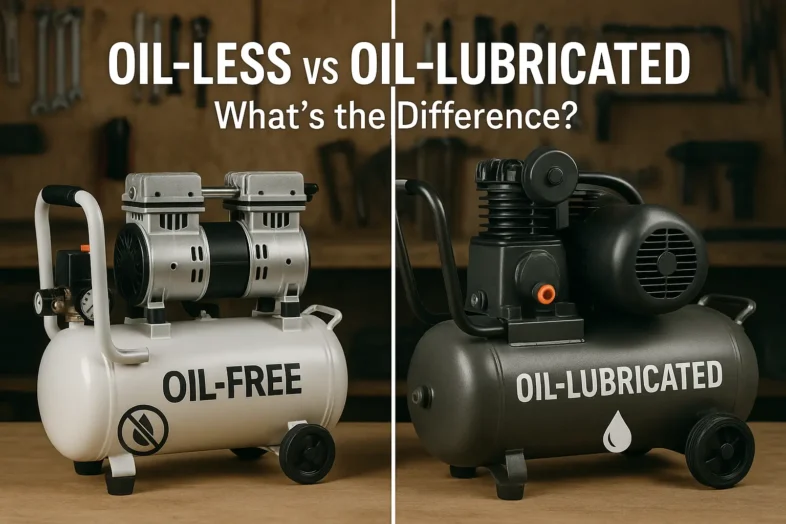
When choosing an air compressor, one of the biggest decisions involves picking between oil-less and oil-lubricated models. Both types work on the same basic principles but use different methods to keep their parts moving smoothly.
Oil-lubricated compressors use mineral or synthetic oil to reduce friction between moving parts, while oil-less models rely on special coatings or materials to achieve the same goal. This difference affects everything from how much maintenance they need to where they can be used safely.
Understanding these differences helps people make better choices for their specific needs. The right compressor depends on factors like budget, maintenance preferences, and whether oil contamination could be a problem in the work environment.
Key Takeaways
- Oil-lubricated compressors use oil for lubrication while oil-less models use special coatings or materials instead
- Oil-less compressors require less maintenance but oil-lubricated ones typically last longer and run more efficiently
- The best choice depends on budget, maintenance needs, and whether oil contamination matters for the intended use
Fundamental Differences Between Oil-Less and Oil-Lubricated Air Compressors
Oil-less and oil-lubricated air compressors use different methods to reduce friction between moving parts. These systems also have different components and work best for different jobs.
How Oil-Less and Oil-Lubricated Air Compressors Work
Oil-lubricated compressors use oil to keep moving parts smooth and cool. The oil flows through the system and touches the pistons, cylinders, and other parts. This oil helps reduce wear and heat buildup.
Oil-less compressors don’t use oil for lubrication. Instead, they have special coatings on their parts. These coatings are made from materials like Teflon or ceramic. The coatings help parts move smoothly without oil.
Both types compress air the same way. They pull air in and squeeze it into a smaller space. The main difference is how they protect their moving parts.
Oil-lubricated systems need the oil changed regularly. The oil gets dirty and breaks down over time. Oil-less systems don’t need oil changes but their coatings can wear out.
Key Components and Construction
Oil-lubricated compressors have several extra parts for the oil system. They include an oil reservoir, oil pump, and oil filter. They also have oil lines that carry oil to different parts.
The pistons and cylinders in oil-lubricated models are made from standard metals. These parts rely on oil to stay protected. Without oil, they would wear out quickly.
Oil-less compressors have simpler designs. They don’t need oil pumps, filters, or reservoirs. This makes them lighter and easier to move around.
The pistons and cylinders in oil-less models have special surface treatments. These treatments help them work without oil. The materials cost more but last a long time with proper care.
Primary Applications
Oil-lubricated compressors work well for heavy-duty jobs. They’re common in auto shops, construction sites, and factories. These compressors can run for long periods without problems.
They’re also good for jobs that need lots of compressed air. The oil helps keep them cool during extended use. Many industrial tools work well with these compressors.
Oil-less compressors are perfect for jobs where clean air matters. They’re used in medical equipment, food processing, and electronics manufacturing. The air they produce has no oil contamination.
They’re also popular for home use and small shops. People like them because they need less maintenance. They’re quieter than oil-lubricated models and easier to store.
Performance and Efficiency
Oil-free compressors deliver cleaner air output but often consume more energy and run louder than oil-lubricated models. Oil-lubricated compressors provide better energy efficiency and quieter operation while requiring air filtration for sensitive applications.
Air Quality and Output
Oil-lubricated compressors naturally introduce small amounts of oil into the compressed air. This oil contamination can range from 3-5 parts per million in standard models.
Oil-free compressors produce completely clean air with zero oil contamination. They use special coatings and materials to prevent oil from entering the compression chamber.
This makes oil-free units ideal for:
- Food and beverage production
- Medical equipment
- Electronics manufacturing
- Painting applications
Oil-lubricated compressors require additional filtration systems to remove oil particles. Even with filters, some oil traces may remain in the air output.
Industries that can tolerate minimal oil contamination often choose oil-lubricated models. The oil actually helps seal gaps between components, creating better compression efficiency.
Noise Levels
Oil-lubricated compressors typically operate 20-30% quieter than oil-free models. The oil acts as a natural sound dampener between moving parts.
Oil reduces friction and vibration in the compression chamber. This creates smoother operation with less mechanical noise.
Oil-free compressors generate more noise due to metal-on-metal contact. They rely on special coatings instead of oil for lubrication.
Most oil-free units operate at 75-85 decibels during normal use. Oil-lubricated models usually run at 60-75 decibels.
Noise levels matter in office environments, hospitals, and residential areas. Oil-lubricated compressors work better in noise-sensitive locations.
Energy Consumption
Oil-lubricated compressors use 15-25% less energy than comparable oil-free models. The oil creates better sealing between components, reducing energy waste.
Oil helps cool the compression chamber during operation. This prevents overheating and maintains consistent performance levels.
Oil-free compressors work harder to achieve the same pressure levels. They generate more heat and require additional cooling systems.
Higher operating temperatures in oil-free units can reduce overall efficiency. The compressor may need more frequent rest periods to cool down.
Energy costs add up significantly over time. Oil-lubricated models typically offer better long-term operating savings despite higher maintenance needs.
Maintenance and Longevity
Oil-lubricated compressors need regular oil changes and filter replacements but typically last longer than oil-free models. Oil-free compressors require less routine maintenance but may need more frequent part replacements.
Routine Maintenance Requirements
Oil-lubricated compressors need oil changes every 500 to 1,000 hours of operation. Users must also replace oil filters and air filters regularly. The oil level needs checking before each use.
Oil-Lubricated Maintenance Tasks:
- Change oil every 500-1,000 hours
- Replace oil filter every oil change
- Check oil level daily
- Clean air intake filter monthly
- Drain moisture from tank weekly
Oil-free compressors have simpler maintenance needs. They don’t require oil changes or oil filter replacements. Users only need to clean or replace air filters and drain the tank.
Oil-Free Maintenance Tasks:
- Replace air filter every 3 months
- Drain tank moisture weekly
- Check belt tension monthly
- Clean cooling fins quarterly
The maintenance costs differ significantly. Oil-lubricated models need oil, filters, and more frequent service visits. Oil-free models have lower ongoing costs but may need bearing replacements sooner.
Service Life Expectations
Oil-lubricated compressors typically last 10,000 to 15,000 hours with proper maintenance. The oil protects internal parts from wear and heat damage. Heavy-duty models can run even longer.
Oil-free compressors usually last 2,000 to 6,000 hours. Their internal parts experience more friction and heat without oil protection. The coating on cylinders and pistons wears down over time.
Typical Lifespan Comparison:
- Oil-lubricated: 10,000-15,000 hours
- Oil-free: 2,000-6,000 hours
The longer lifespan of oil-lubricated models often makes them more cost-effective for heavy use. Oil-free models work better for occasional use or when clean air is essential.
Replacement parts cost more for oil-free compressors. The special coatings and materials add to the expense. Oil-lubricated parts are usually cheaper and easier to find.
Cost Considerations
Oil-less compressors cost more upfront but save money on maintenance over time. Oil-lubricated models are cheaper to buy initially but need regular oil changes and more frequent repairs.
Initial Price Differences
Oil-less air compressors typically cost 20-40% more than oil-lubricated models of similar size. This higher price comes from the special materials and coatings needed to prevent wear without oil.
Oil-less compressor prices:
- Small home models: $200-$800
- Medium shop units: $800-$2,500
- Large industrial units: $3,000-$15,000
Oil-lubricated compressor prices:
- Small home models: $150-$500
- Medium shop units: $500-$1,500
- Large industrial units: $2,000-$10,000
The price gap gets smaller with larger compressors. Many buyers choose oil-lubricated units because they need less money upfront.
Operating and Maintenance Costs
Oil-lubricated compressors need oil changes every 500-1,000 hours of use. Each oil change costs $20-$100 depending on the compressor size.
Oil-less compressors don’t need oil changes. However, their internal parts wear out faster without oil protection. They may need major repairs or replacement after 2,000-5,000 hours of use.
Annual maintenance costs:
- Oil-lubricated: $100-$300 per year
- Oil-less: $50-$150 per year (until major repairs)
Oil-lubricated compressors often last 10-15 years with proper care. Oil-less models typically last 5-8 years before needing expensive repairs.
Choosing the Right Type for Your Needs
The choice between oil-less and oil-lubricated compressors depends on specific work requirements and environmental factors. Air quality needs and application type determine which compressor works best for each situation.
Best Use Cases
Oil-less compressors work best for jobs that need clean, pure air. These include:
- Medical equipment and dental tools
- Food processing and packaging
- Electronics manufacturing
- Painting and finishing work
- Small workshops and home use
Oil-less models prevent oil contamination in the compressed air. This makes them perfect for sensitive applications where even small amounts of oil could cause problems.
Oil-lubricated compressors handle heavy-duty work better. They work well for:
- Construction sites and building projects
- Auto repair shops
- Manufacturing plants
- Industrial operations
- Tools that need high air pressure
These compressors last longer under constant use. They also cost less to buy upfront and can handle more demanding jobs without breaking down.
Environmental Considerations
Oil-less compressors create less environmental impact during operation. They don’t produce oil waste or require oil disposal. This makes them cleaner for indoor use and reduces maintenance waste.
However, oil-less models often use more electricity to run. They also need replacement parts more often, which creates more waste over time.
Oil-lubricated compressors use less energy during operation. They run more efficiently and last longer before needing major repairs. But they require regular oil changes and proper disposal of used oil.
Users must follow local rules for oil disposal. Many areas have specific requirements for handling waste oil from compressors. This adds extra steps to maintenance but helps protect the environment.